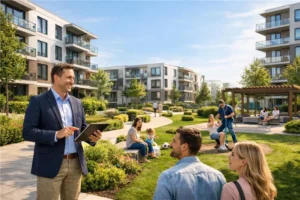
A thriving residential community does not happen by chance. Behind every well-maintained neighborhood, organized condominium, or smoothly operated homeowner association, there is a structured system working to keep everything running efficiently. This system is known as community association management.
When done correctly, community association management does far more than oversee maintenance tasks or enforce guidelines. It creates an environment where residents feel heard, supported, and proud to live. The result is higher resident satisfaction, stronger relationships among neighbors, and a community that operates in harmony.
For HOA boards and property owners, understanding the true HOA management benefits can transform the way communities function and how residents experience daily life.
What Is Community Association Management?
Community association management refers to the professional oversight of residential communities such as homeowner associations, condominiums, townhome developments, and planned neighborhoods. A dedicated management team works alongside the HOA board to handle daily operations, financial responsibilities, communication, maintenance coordination, and policy enforcement.
While boards set the vision and rules for the community, professional managers bring the experience, systems, and resources needed to execute those plans effectively.
This partnership ensures that no responsibility is overlooked and that residents experience a well-organized, well-maintained place to live.
Why Resident Satisfaction Should Be a Top Priority
Resident satisfaction is more than just a feel-good metric. It directly impacts:
- Property values
- Community reputation
- Resident retention
- Cooperation with HOA policies
- Overall quality of life
When residents are satisfied, they are more likely to respect community guidelines, participate in events, and contribute positively to the neighborhood atmosphere. Dissatisfied residents, on the other hand, often lead to complaints, disputes, and tension within the community.
Strong community association management focuses on preventing these issues before they arise.
Clear and Consistent Communication
One of the most important HOA management benefits is structured communication between residents, the board, and management.
Residents want to know:
- What is happening in their community
- How decisions are made
- Who to contact for concerns
- When maintenance or projects are scheduled
Professional managers establish reliable communication channels such as newsletters, emails, portals, and notices. This transparency eliminates confusion and helps residents feel informed rather than frustrated.
When communication is clear, trust grows and trust is a major driver of resident satisfaction.
Faster Response to Maintenance and Service Requests
Few things frustrate residents more than unresolved maintenance issues. Whether it is landscaping, lighting, parking areas, or shared amenities, delays can quickly lead to complaints.
With effective community association management, maintenance requests are:
- Logged and tracked properly
- Assigned to trusted vendors
- Completed in a timely manner
- Followed up to ensure quality
This level of organization ensures that common areas remain attractive and functional, contributing directly to how residents feel about their living environment.
Financial Transparency and Responsible Budgeting
Residents feel more comfortable and satisfied when they understand how their association fees are being used.
Professional managers assist HOA boards with:
- Budget planning
- Expense tracking
- Vendor negotiations
- Reserve fund planning
- Financial reporting
This structured approach to financial management reduces the risk of unexpected assessments and ensures that the community remains financially stable.
When residents see their money being used responsibly, their confidence in the association increases.
Fair and Consistent Rule Enforcement
Rules are necessary for maintaining order and appearance in any residential community. However, inconsistent or unclear enforcement often leads to frustration.
Community association management ensures that guidelines are applied fairly and consistently across all residents. This prevents feelings of favoritism and helps maintain harmony.
Residents appreciate knowing that standards are upheld equally for everyone.
Professional Vendor and Contractor Coordination
Managing vendors for landscaping, cleaning, repairs, security, and other services can be overwhelming for volunteer boards.
Experienced managers already have relationships with reliable vendors and understand how to:
- Negotiate contracts
- Monitor service quality
- Ensure timely completion
- Stay within budget
This professional coordination ensures the community always looks its best without placing extra stress on board members.
Reducing Stress for HOA Board Members
HOA board members are volunteers who often juggle full-time jobs and personal responsibilities. Without professional support, managing a community can become overwhelming.
Community association management takes on the operational workload, allowing the board to focus on strategic decisions rather than daily problems.
This leads to smoother governance, quicker decision-making, and a more positive atmosphere for residents.
Organized Community Events and Engagement
Satisfied residents often feel connected to their neighbors. Professional managers help facilitate events, meetings, and communication that encourage interaction and engagement.
This sense of belonging enhances the living experience and strengthens community bonds.
Preventing Conflicts and Handling Disputes
Conflicts between residents or between residents and the board are inevitable in any community. What matters is how those conflicts are handled.
Professional managers act as neutral third parties who can mediate issues calmly and professionally. Their experience allows them to resolve disputes before they escalate.
This contributes greatly to overall resident satisfaction.
Maintaining Property Values
A well-managed community is visually appealing, financially stable, and organized. These factors directly influence property values.
Prospective buyers are more attracted to communities that show signs of strong HOA management benefits. Current residents benefit from increased equity and pride in ownership.
Leveraging Technology for Better Service
Modern community association management uses digital tools to improve communication, maintenance tracking, and financial reporting.
Online portals allow residents to:
- Submit requests
- Pay dues
- Access documents
- Receive updates
This convenience enhances the resident experience and creates a more efficient system overall.
Building Long-Term Trust Within the Community
Trust is built through consistency, transparency, and professionalism. When residents see their community being managed effectively year after year, confidence grows.
This trust translates into cooperation, participation, and satisfaction.
Signs Your Community Could Benefit From Professional Management
You may notice:
- Frequent resident complaints
- Delayed maintenance issues
- Financial confusion
- Board member burnout
- Poor communication
These are indicators that stronger community association management could significantly improve daily life for residents.
The Lasting Impact on Resident Experience
Ultimately, residents want to feel comfortable, secure, and proud of where they live. Professional management creates an environment where these feelings can thrive.
From clean common areas to organized communication and fair governance, every element contributes to a better living experience.
Conclusion: Creating Communities Where Residents Love to Live
Strong community association management is one of the most important factors in achieving high resident satisfaction. It ensures that maintenance is handled efficiently, finances are managed responsibly, communication remains clear, and community standards are upheld fairly.
These HOA management benefits do more than keep a neighborhood organized. They create a place residents are proud to call home.
If your community is ready to improve organization, communication, and overall resident experience, contact us today to learn how professional community association management can make a meaningful difference for your residents and your board.
Frequently Asked Questions
1. What does community association management include?
It includes handling daily operations, financial oversight, maintenance coordination, communication, and supporting the HOA board in managing the community effectively.
2. How does community association management improve resident satisfaction?
By ensuring timely maintenance, clear communication, fair rule enforcement, and well-maintained common areas that enhance daily living.
3. What are the key HOA management benefits for board members?
Professional managers reduce workload, handle administrative tasks, coordinate vendors, and provide guidance so boards can focus on decision-making.
4. Can professional management help resolve resident disputes?
Yes, managers act as neutral parties who handle complaints and conflicts professionally before they escalate.
5. How does community association management protect property values?
Well-managed communities are organized, clean, financially stable, and attractive to buyers, which helps maintain and increase property values.